Biophilic Design: 5 Effective Ways to Bring Nature into Your Home

What is the first thing you see when you wake up in the morning—a concrete wall or a view filled with greenery? This seemingly simple detail influences far more than aesthetics. It can directly affect your mood, concentration, productivity, and overall sense of wellbeing throughout the day.
In recent years, biophilic design has emerged as one of the leading approaches in architecture and interior design. By integrating natural elements into living spaces, it creates environments that are healthier, more relaxing, and better connected to nature.
In this guide, we’ll explore what biophilic design is, the principles behind it, and five practical ways to incorporate nature into your home.
What Does Biophilic Mean?
The word biophilic originates from the Greek words bios (life) and philia (love or affinity). It describes the innate human tendency to seek a connection with nature and other living systems.
Biologist Edward O. Wilson introduced the concept of biophilia in 1984, describing it as humanity’s inherent affinity for the natural world.
Within architecture and interior design, biophilic thinking aims to maintain this connection even in built environments. It extends far beyond simply adding plants—it embraces natural light, water, materials, textures, spatial planning, and sensory experiences inspired by nature.
What Is Biophilic Design?
Biophilic design is a design philosophy that integrates natural elements into architecture and interior spaces to improve both physical and mental wellbeing.
Its primary goals include:
- Supporting psychological wellbeing
- Reducing stress
- Improving quality of life
- Strengthening the relationship between people and nature
Today, biophilic design is applied in homes, offices, hospitals, schools, hotels, and public buildings through the thoughtful integration of daylight, vegetation, natural materials, water features, and spatial planning.
Principles of Biophilic Design
Biophilic architecture is generally built around three fundamental principles.
1. Direct Connection with Nature
This principle focuses on bringing nature directly into a space through elements such as:
- Living plants
- Water features
- Natural daylight
- Soil and natural landscapes
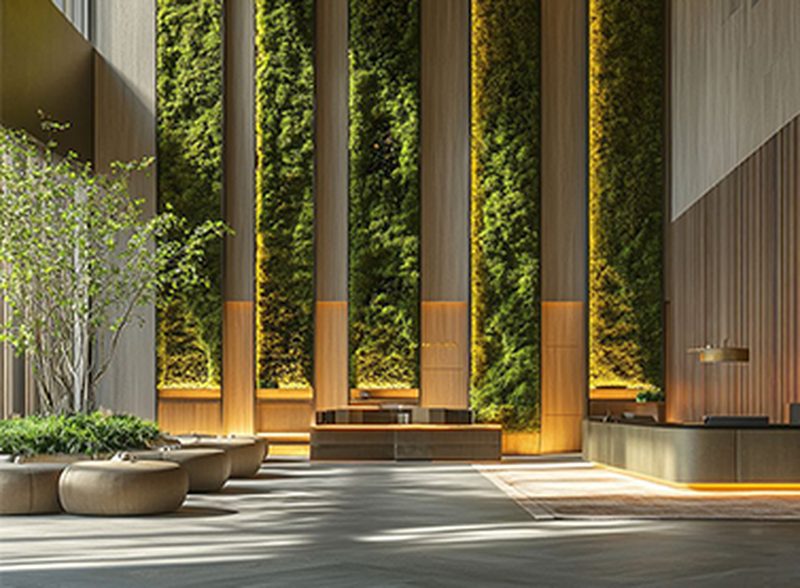
- Green walls
Among all biophilic strategies, direct interaction with nature often creates the strongest emotional and physiological benefits.
2. Indirect References to Nature
Nature can also be represented through materials and forms inspired by the natural world.
Examples include:
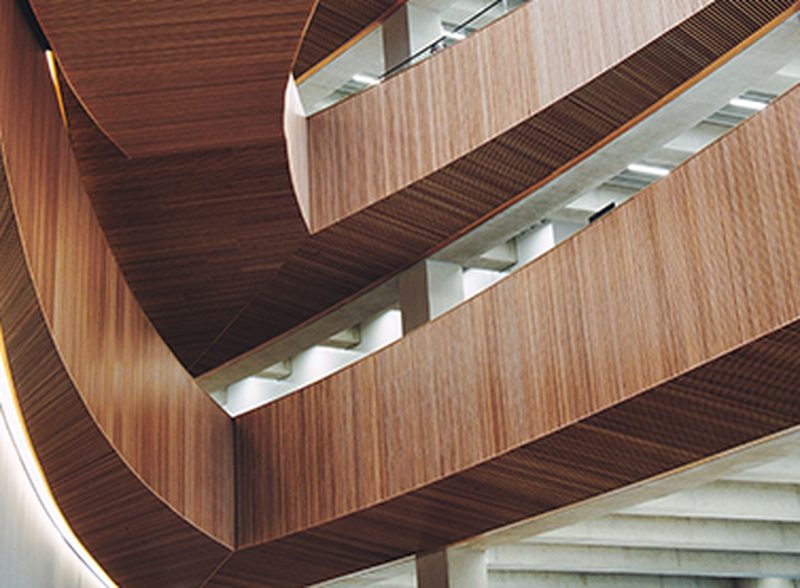
- Timber and natural stone
- Bamboo and rattan furniture
- Organic textures
- Botanical and wildlife-inspired patterns
Although these elements do not contain living nature, they evoke many of the same psychological responses.
3. Spatial Experience
Biophilic environments also consider how spaces are organized.
A key concept is balancing prospect and refuge.
- Prospect provides open views and visual connection.
- Refuge creates sheltered, comfortable spaces that offer a sense of protection.
Combining these two experiences makes interiors feel both spacious and secure.
Five Ways to Bring Nature into Your Home
1. Maximize Natural Daylight
Natural light is one of the most powerful components of biophilic design.
Simple ways to increase daylight include:
- Large windows
- Light-colored curtains
- Reflective interior finishes
- Floor plans that maximize sunlight
Daylight supports healthy circadian rhythms, improves energy levels, and enhances overall wellbeing. Views overlooking greenery or open landscapes further strengthen the biophilic experience.
2. Introduce Living Plants
Plants are one of the simplest and most effective ways to create a biophilic home.
Consider incorporating:
- Indoor potted plants
- Vertical gardens
- Hanging plants
- Indoor herb gardens
Low-maintenance species include:
- Pothos
- ZZ Plant
- Snake Plant
- Philodendron
These varieties thrive indoors while improving the atmosphere of your living space.
3. Choose Natural Materials
Natural materials play a central role in biophilic interiors.
Popular choices include:
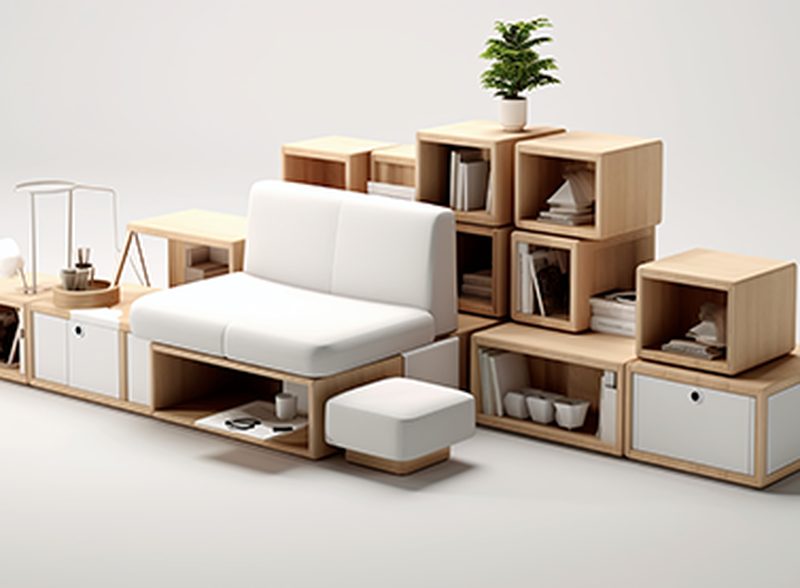
- Solid wood furniture
- Natural stone finishes
- Linen and cotton textiles
- Bamboo
- Rattan
- Earth-tone color palettes
These materials introduce warmth, texture, and authenticity into the home.
4. Incorporate Water Features
The sound and movement of water naturally promote relaxation.
Examples include:
- Tabletop fountains
- Indoor water features
- Aquariums
- Decorative water elements on terraces
Flowing water creates a calming environment while reducing stress.
5. Balance Open and Cozy Spaces
The arrangement of your living space is just as important as the materials within it.
Examples include:
- Reading corners
- Balcony seating areas
- Window benches
- Open-plan living rooms with intimate retreat spaces
This balance between openness and privacy creates a more comfortable, emotionally satisfying home.
Characteristics of a Biophilic Building
When applied at an architectural scale, biophilic design often includes:
- Façades designed to maximize daylight
- Green roofs and living walls
- Natural ventilation systems
- Sustainable building materials
- Architecture integrated with landscape
- Strong visual and physical connections between indoor and outdoor spaces
Together, these features significantly enhance everyday living.
Inspiring Examples of Biophilic Design
Internationally recognized examples include:
- Gardens by the Bay in Singapore
- Amazon Spheres in Seattle
In Türkiye, many contemporary residential developments increasingly embrace biophilic principles through:
- Extensive landscaped gardens
- Large windows and abundant daylight
- Open green spaces
- Architecture that blends with the natural environment
The Biophilic Approach in Nef Projects
Nef developments incorporate many of the core principles of biophilic design through architecture that prioritizes natural daylight, expansive landscaped environments, and thoughtfully planned living spaces focused on wellbeing.
By creating stronger connections between residents and nature, Nef projects offer a contemporary, sustainable approach to residential living that supports healthier lifestyles and long-term quality of life.
To learn more about Nef’s projects and explore its approach to modern living, visit nef.com.tr or contact the Nef team for further information.