Green Roofs and Vertical Gardens: Energy-Efficient Solutions with Lasting Aesthetic Value

Green Roofs and Vertical Gardens: Energy-Efficient Solutions with Lasting Aesthetic Value
Green roofs and vertical gardens have become some of the most effective ways to reconnect urban environments with nature. Replacing conventional concrete surfaces with layered vegetation systems not only enhances the visual character of buildings but also helps reduce the urban heat island effect and improve the surrounding microclimate. By transforming rooftops, terraces, and façades into living green spaces, these systems improve air quality, capture rainwater, and support biodiversity within densely built cities.
Beyond their visual appeal, green roofs and vertical gardens contribute significantly to energy efficiency. Vegetation acts as a natural layer of insulation, helping regulate surface temperatures throughout the year. During summer, buildings require less cooling, while in winter, heat loss is reduced. As a result, long-term energy consumption decreases, lowering operational costs and reducing a building’s carbon footprint. Thanks to their modular construction, these systems can be integrated into residential developments, commercial buildings, and public spaces of almost any size.
Hybrid Green Roof and Vertical Garden Systems
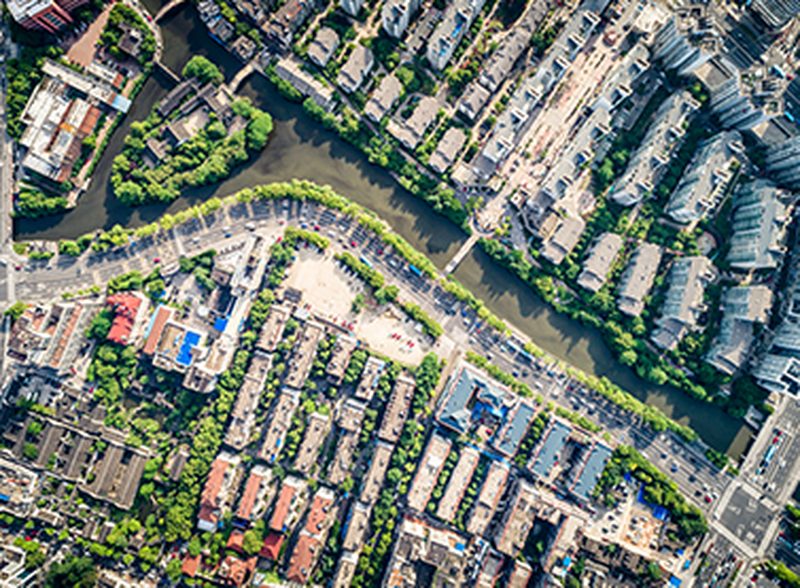
As cities become increasingly dense, the loss of natural surfaces contributes to higher temperatures, poorer air quality, and increased energy consumption. Hybrid systems that combine green roofs with vertical gardens offer an innovative ecological solution by introducing vegetation across both horizontal and vertical surfaces.
Suitable for rooftops, terraces, and high-rise façades alike, these integrated systems combine planting media, irrigation networks, drainage layers, and vegetation into a unified ecological structure. The result is improved building performance while creating healthier, more enjoyable urban environments.
One of the greatest strengths of hybrid systems is their ability to reduce the dominance of concrete while creating active green surfaces throughout an entire building. Green roofs retain rainwater and improve stormwater management, while vertical gardens increase oxygen production, regulate airflow, and enhance local microclimates. Together, they contribute to thermal insulation, noise reduction, and improved environmental quality.
Key benefits include:
- Reducing the urban heat island effect
- Improving stormwater management and natural drainage
- Enhancing air quality
- Lowering building energy consumption
- Adding ecological and architectural value to urban environments
These advantages position hybrid green infrastructure as an essential component of future sustainable city planning.
Integrating Green Roofs and Vertical Gardens
Hybrid systems create a continuous ecological layer by connecting vegetated rooftops with living façades. Rather than treating roofs and walls as separate design elements, this integrated approach extends landscaping vertically throughout the building envelope.
Modern installations utilize lightweight growing media, segmented drainage systems, and sensor-controlled irrigation technologies to improve efficiency while minimizing maintenance requirements.
The combination of rooftop vegetation and vertical planting significantly improves environmental performance. Green roofs retain rainwater while providing excellent thermal insulation, whereas living façades soften wind exposure and reduce solar heat gain across exterior walls. Together, these systems create more stable indoor temperatures and improve overall building performance.
Beyond technical advantages, integrated green surfaces establish a strong architectural identity. Continuous planting across façades and rooftops creates the impression of a living building, strengthening both visual appeal and environmental character.
Essential Components of Green Roof Systems
Long-lasting green roofs depend upon carefully designed construction layers.
The primary components include:
- Lightweight growing substrate with excellent water retention
- Efficient drainage layers that prevent water accumulation
- Carefully selected plant species suited to local climate conditions
Substrate depth directly influences thermal performance, while effective drainage protects waterproofing systems and prevents root damage. Drought-tolerant species such as sedum and aromatic plants are commonly selected because they require minimal maintenance while providing excellent environmental performance.
Together, these layers reduce roof temperatures, improve insulation, and support healthy vegetation throughout the year.
Integrating Vertical Gardens into Building Façades
Vertical garden systems are installed using lightweight structural panels designed to support healthy plant growth while protecting the building envelope.
Integrated irrigation systems—typically based on drip irrigation—deliver water efficiently, often managed through automated controls. Ventilated cavities between the façade and planting modules improve moisture control while enhancing thermal insulation.
The modular nature of these systems also simplifies maintenance. Individual panels can be removed or replaced as needed, allowing seasonal planting changes while preserving the overall appearance of the façade.
Continuous planting across building elevations creates a dynamic architectural expression while strengthening the identity of the development.
Natural Shading and Surface Temperature Control
One of the greatest environmental advantages of green infrastructure is its ability to provide natural shading.
Vegetation on rooftops absorbs solar radiation before it reaches the building structure, significantly reducing surface temperatures. Vertical gardens further decrease heat gain by shading façades throughout the day.
These effects reduce indoor cooling demand during summer while improving overall occupant comfort.
Throughout the year, vegetation also contributes to more stable thermal performance. Evapotranspiration naturally cools surrounding air during warm periods, while vegetation acts as a protective barrier against winter winds, reducing heat loss.
This balanced thermal behaviour allows buildings to maintain more consistent indoor temperatures while lowering energy consumption.
Maintenance and Long-Term Economic Value
Although green roofs and vertical gardens generally require higher initial investment than conventional construction methods, their long-term benefits often outweigh installation costs.
Properly designed green roofs protect waterproofing membranes from ultraviolet radiation and extreme temperature fluctuations, potentially doubling the lifespan of roofing systems. At the same time, their insulating properties can reduce annual heating and cooling costs by up to 25%, depending on building design and climate conditions.
Modern technology has also simplified maintenance considerably. Smart irrigation systems, moisture sensors, automated fertilization, and carefully selected low-maintenance plant species significantly reduce ongoing operational requirements.
Beyond environmental performance, these systems enhance property value, improve architectural prestige, and contribute to more resilient, sustainable developments—making them an increasingly attractive investment for both property owners and developers.