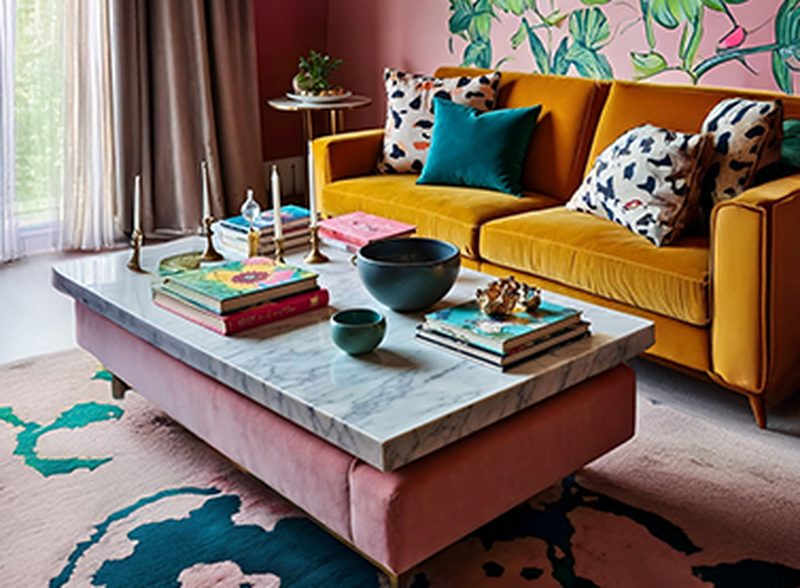
Monochrome Living Spaces

Monochrome living spaces are one of the most effective ways to combine simplicity and elegance in interior design. This decorating style, created using different shades of a single color, provides a cohesive look that is easy on the eyes. Especially in modern interior architecture, well-balanced tonal transitions give rooms a more spacious and fluid character.
Monochrome decoration is not simply about using one color. In a living room or bedroom designed in this style, furniture, curtains, and accessories should belong to the same color family while introducing variety through different textures. Surfaces such as linen, wood, glass, and metal, although within the same tonal range, add depth to the space through the way they reflect light. This approach creates an atmosphere that is both aesthetically pleasing and mentally calming.
The Philosophy of Monochrome Living Space Design
At the heart of monochrome design lies the combination of visual simplicity and aesthetic harmony. But what does monochrome mean? Derived from the Greek term meaning “single color,” the concept emphasizes the power of a restrained color palette in art and interior design. The goal is to create a peaceful visual balance free from unnecessary complexity. Subtle transitions between shades define the emotional atmosphere of the space.
What is monochrome?
“A design approach created by using different shades of a single color.”
The key principles of monochrome design include:
- Creating visual dynamism through tonal variations of a single color
- Establishing spatial balance with light and shadow
- Maintaining a clean, understated, and minimalist composition
The purity of white, the depth of black, or the warmth of beige can completely transform the mood of a space. In this sense, monochrome decoration is not merely an aesthetic preference but a design philosophy that brings visual tranquility into everyday living.
Creating Spatial Depth with a Single Color
The goal of monochrome decoration is to create a sense of depth by balancing different shades of one color throughout a space. This technique is particularly effective in smaller interiors, where it softens visual boundaries and creates a more open atmosphere.
Smooth tonal transitions between walls, flooring, furniture, and textiles establish a natural visual flow, allowing the eye to move comfortably throughout the room. The result is an environment that feels calm, cohesive, and harmonious.
Ways to enhance spatial depth include:
- Creating visual layers through tonal transitions
- Positioning light sources strategically
- Achieving textural balance with different materials
While lighter shades make a room appear larger, darker tones introduce focus and depth. Combined with thoughtful lighting, these tonal variations create a convincing three-dimensional effect.
Layering with Light and Dark Shades
The balance between light and dark shades is one of the most important aspects of monochrome decoration. Lighter tones create a greater sense of openness, while darker shades add depth and visual weight. When applied to walls and furniture, this contrast establishes a strong visual hierarchy.
Gentle transitions between tones allow the eye to move naturally throughout the space. For example, the combination of light gray walls with an anthracite sofa creates a balanced and refined composition.
Using textiles in varying tonal intensities—such as curtains, cushions, and rugs—adds richness and sophistication to a monochrome interior.
Using Light to Balance Spatial Volume
Lighting is one of the defining elements of monochrome decoration. Natural light highlights tonal variations, while artificial lighting deepens shadows and enhances dimension. As a result, both the placement and intensity of lighting directly influence how monochrome colors are perceived.
Instead of relying solely on ceiling fixtures, wall sconces or concealed LED lighting can create a more balanced sense of volume. The interaction between matte and glossy surfaces also introduces rhythm and visual interest.
- Warm lighting creates a more inviting atmosphere during the evening.
- Cool white lighting enhances brightness and openness during the day.
This dual effect transforms the space into a dynamic visual experience that changes throughout the day.
Choosing Accessories and Details in Monochrome Living Spaces
Without carefully selected details, the simplicity of a monochrome interior can feel cold or monotonous. For this reason, accessories play a crucial role in defining the character of the design.
The goal is to create subtle focal points without overwhelming the space. Objects chosen from the same color family can express strong character through differences in material and texture.
When selecting accessories and decorative details:
- Combine matte and glossy finishes
- Introduce different textures to enrich the single-color palette
- Keep the number of accessories limited
- Prioritize natural materials
Even small elements such as a bronze decorative object, a textured rug, or a velvet cushion can significantly influence the emotional atmosphere of a monochrome interior.
Common Mistakes in Monochrome Home Decoration
Maintaining balance is essential in monochrome decoration. One of the most common mistakes is applying exactly the same shade across every surface. This eliminates the depth and movement that define successful monochrome design.
Common mistakes to avoid include:
- Poorly positioned or insufficient lighting
- Neglecting textural variation
- Using the same level of surface sheen throughout the space
- Failing to create tonal contrast
Dark monochrome interiors can feel oppressive when lighting is inadequate, while very light palettes may appear overly sterile. When texture, lighting, and tonal balance are carefully coordinated, monochrome decoration creates a timeless, elegant, and peaceful living environment.